



What is Botox injection?
Let’s learn more about what Botox injection is. Botox is short for Botulinum Toxin A injection, which is used as a non-surgical method to reduce facial wrinkles and treat certain muscle disorders. Botox is actually a protein derived from the bacterium Clostridium botulinum, and when injected into muscles, it blocks the nerves, which helps control muscle movement and reduce contractions.
Botox is one of the most popular and safe methods for improving facial appearance and treating some muscle disorders, due to its lack of need for anesthesia, surgery, and recovery time. However, it’s important to note that Botox is only a temporary solution for reducing facial wrinkles and needs to be repeated periodically to maintain the results. Also, some individuals may show sensitivity or experience unwanted side effects from Botox, so it’s important to consult your doctor and ask about possible side effects and complications before making a decision.
Skin rejuvenation with Botox injections can easily and quickly make your skin look younger. Botox is a drug injected into muscles to reverse the signs of aging and treat certain conditions. In many countries, Botox injections are legally performed only by licensed physicians.
In the early days after the Botox injection, some minor side effects such as swelling, redness, itching, and small bleeding spots at the injection site may occur. These side effects usually improve on their own and without pain a few days after the injection. However, if any unwanted side effects or concerns arise, you should inform your doctor.

What is the impact of Botox on skin rejuvenation?
Having healthy and beautiful skin is important for all women, and to achieve this goal, they use various tools. Let’s learn about the impact of Botox on skin rejuvenation, as Botox is a clear example of a procedure that has gained a lot of popularity in recent years. During this process, a substance called Botox, produced by a bacterium, is injected into your skin. This substance has therapeutic effects on the skin and can address various skin issues such as wrinkles. The different effects of Botox have made it an excellent treatment method. In this article, we will explore the importance of Botox and its uses.
How Botox is injected
Once you arrive at the beauty clinic, the specialist will first assess your physical and mental health and briefly review the treatment process with you to ensure you are aware of all matters, including potential side effects, expectations, and more.
To prepare your face for the Botox injection, the doctor will ask you to make a series of facial expressions. Since our doctors have detailed knowledge of the face, including skin thickness and muscle types at different points on the face, they will mark the areas on your face where the injections will be made. However, this is a personal preference, and some doctors may not do this. At this stage, the injection site will be cleaned and sterilized using a non-alcoholic cleanser.
Although Botox injections are performed with very small and quick needles, and usually, no anesthetic is required, we prefer to use a topical anesthetic ointment to reduce any pain you may feel. Now, it’s time for the injections in the designated areas.
A common mistake made by untrained doctors is injecting Botox at an inappropriate depth. Botox should be injected into superficial layers of the skin in some areas of the face, while in others, deeper injections are needed. For example, in the masseter muscle near the mouth, if the injection is not deep enough, the person may experience an uneven or imbalanced smile. This is why it’s crucial to choose a clinic with excellent safety standards and trained staff who know how deep Botox should be injected. The dilution of Botox is also an important consideration, and doctors must refer to proper dilution guidelines (cosmetic Botox vs. therapeutic Botox) to ensure safe and effective treatment.
How is Botox injection performed?
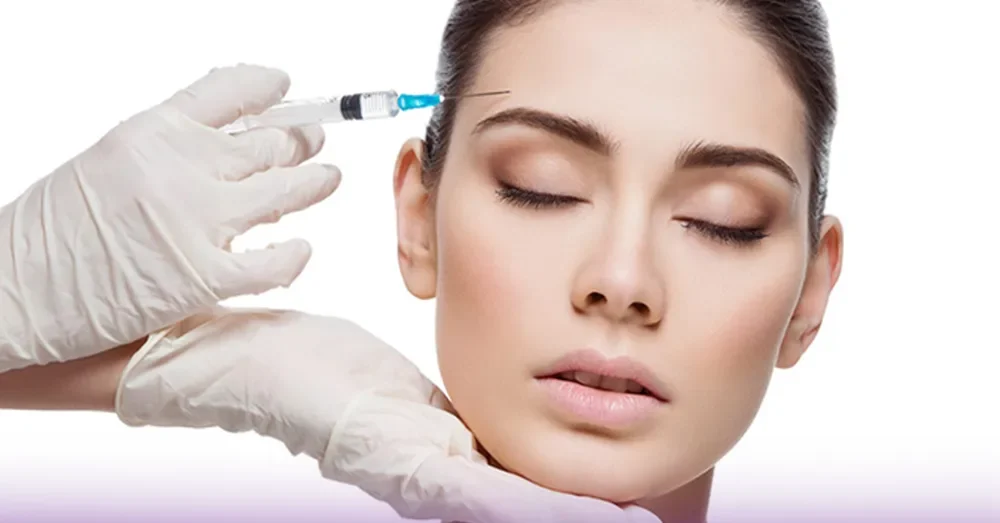
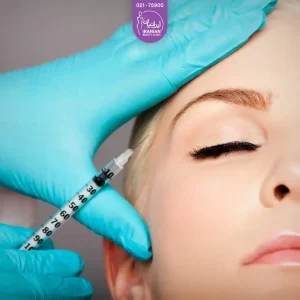
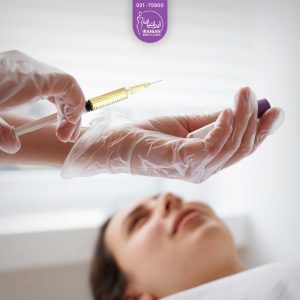
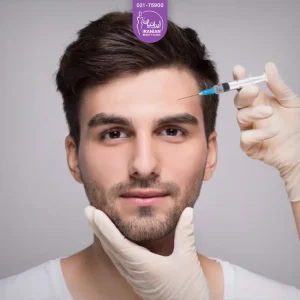
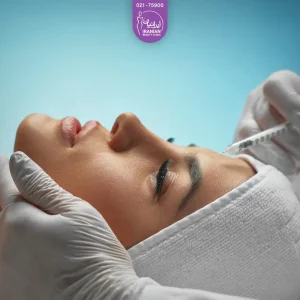
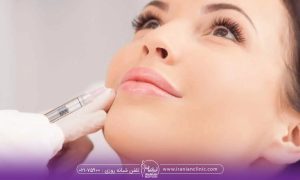
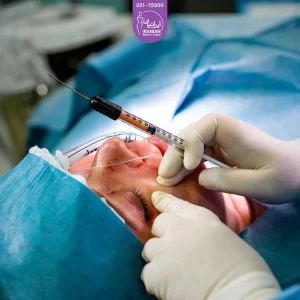
You might also be curious about how Botox is injected. Botox is injected into the facial muscles using a very fine needle. The injection sites are carefully selected by a trained healthcare specialist based on the desired outcome and the individual’s facial anatomy. This procedure usually takes just a few minutes and is generally well tolerated with minimal discomfort. After the injection, it may take a few days to see the full effects, and the results typically last for several months. It is very important that Botox injections are performed by a qualified and experienced healthcare provider to ensure safety and optimal results.

The general steps of a Botox injection are as follows:
Preparation: The healthcare specialist cleans the desired area with an antiseptic solution and may use a numbing cream or ice pack to reduce any discomfort during the injection process.
Injection: Using a fine needle, the healthcare specialist injects a small amount of Botox into the desired muscle or muscles. The number of injections required depends on the size and location of the treatment area.
Post-treatment: After the injection, the healthcare specialist may apply pressure or ice to the injection site to help reduce swelling and bruising. You can usually resume your normal activities immediately after treatment, but you should avoid intense exercise, alcohol, and lying down for at least four hours.
Botox Injection Sites on the Face and Body
The location of Botox injections on the face and body depends on the type of treatment and the targeted area. Botox treatments for reducing facial wrinkles are performed in various areas of the face. Some common sites for Botox injections include:
- Laugh Lines: Laugh lines, also known as nasolabial folds, are one of the most well-known facial lines that appear around the mouth and lips. Botox in this area helps reduce muscle contractions and smooths out the laugh lines.
- Temple Lines: Temple lines are deep lines between the eyebrows, often caused by furrowed brows or excessive use of eyebrow movements. Botox injections in this area can help reduce temple lines.
- Forehead Lines: Forehead lines are horizontal creases located above the nose and below the eyebrow area. Botox injections in this area can help reduce forehead lines.
- Crow’s Feet: Crow’s feet, also known as lines around the eyes, typically form from laughing or squinting. Botox injections in this area can help reduce these lines.

In addition to these areas, Botox is also used to treat other conditions, including muscle spasms, head and neck pain, Parkinson’s disease, and even excessive sweating (hyperhidrosis). The location of the Botox injection in these cases also depends on the type of treatment and the targeted area, and should be determined by a doctor. Below are some of the most important Botox injection sites on the face and body:
Botox Injection for Eyebrow Lifting
Botox injections for eyebrow lifting can be effective, but they must be done carefully and by a specialist. For eyebrow lifting, Botox is injected into the forehead muscles, which are the muscles that are typically activated when raising the eyebrows. By injecting Botox, the activity of these muscles is reduced, making it more difficult and slower to lift the eyebrows.
Additionally, some unwanted side effects may occur after Botox injections for eyebrow lifting, including headaches, dry eyes, blurred vision, swelling, itching at the injection sites, and sometimes even an increase in the size of the eyes. If any unwanted symptoms occur after the injection, you should inform your doctor.
Botox Injection Under the Eyes
Botox injections under the eyes are used to reduce wrinkles under the eyes. This treatment can help reduce the appearance of under-eye wrinkles, providing a more youthful look for your skin.
Botox treatment under the eyes is performed by a specialist and should be done carefully and with caution. For under-eye Botox injections, the Botox is typically injected into the area known as the lower eyelid margin (infraorbital area). This area contains muscles responsible for lifting the skin under the eyes, and by injecting Botox, the activity of these muscles is reduced, making the under-eye wrinkles less visible.

Botox Injection for the Face
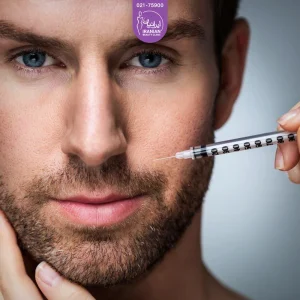
Botox injections for the face are used as a non-surgical and non-invasive method to reduce wrinkles. This procedure works by injecting Botox into the facial muscles, reducing their contraction and activity, which results in a decrease in facial wrinkles.
Botox can be used to reduce wrinkles in various areas of the face, such as the forehead, around the eyes, around the mouth, the cheeks, and the neck. Additionally, Botox is effective in treating certain facial muscle disorders, such as some types of blepharospasm (eye spasms), as well as head and neck pain.
It is important to note that for facial Botox injections, precise and appropriate amounts of Botox need to be injected into the desired areas, as excessive Botox injections may lead to complete muscle immobility, resulting in an unnatural and undesirable appearance. Also, Botox is only a temporary solution for reducing facial wrinkles and needs to be reapplied to maintain results.
Botox Injection for the Forehead
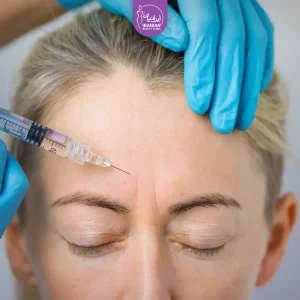
Botox injections for the forehead are used to reduce forehead wrinkles. In this procedure, the doctor injects Botox into the forehead muscles, reducing their activity and, as a result, reducing forehead wrinkles.
Botox reduces the contraction of the forehead muscles, which helps to decrease the appearance of forehead wrinkles. Additionally, Botox injections in the forehead can indirectly prevent the formation of wrinkles in other areas of the face, such as around the eyes and mouth.
Botox Injection for Smile Lines
Botox injections for smile lines or lines around the eyes are typically used to reduce wrinkles in this area. These lines are divided into two lines, one above each eye—the upper smile line and the lower smile line. By injecting Botox into the area that forms these lines, muscle activity is reduced, which in turn reduces wrinkles in this area.
Botox injections can be used to reduce the wrinkles of smile lines. By injecting Botox into the region where these lines form, muscle activity is reduced, which leads to a decrease in wrinkles. Additionally, Botox injections in the smile lines can indirectly prevent the formation of wrinkles in other areas of the face, such as the forehead and around the mouth.

Botox Injection for the Nose
Botox injections for the nose are used to reduce horizontal lines or wrinkles in this area. In this procedure, the doctor injects Botox into the muscles of the nose, reducing their activity, which results in a decrease in wrinkles in the area.
Botox injections are used as a non-surgical and non-invasive method for reducing horizontal lines on the nose. By injecting Botox into the nasal muscles, muscle activity is reduced, and as a result, wrinkles in this area are diminished. Additionally, Botox injections for the nose can indirectly prevent the formation of wrinkles in other areas of the face, such as around the eyes and mouth.
Typically, the initial results of Botox injections for the nose are visible within the first few days after the procedure. However, it may take up to two weeks to see the full results. Overall, to achieve better results after Botox injections for the nose, it is recommended to protect the skin from sun exposure, use moisturizing creams, and avoid alcohol and smoking after the procedure. If any adverse symptoms occur after the injection, you should inform your doctor.
Botox Injection for the Lips
Botox injections for the lips are used to reduce lines and wrinkles around the lip borders and to increase lip volume. In this method, the doctor injects Botox into the muscles around the lips, reducing their activity and, consequently, decreasing the lines and wrinkles in this area. Additionally, Botox injections can be used to enhance lip volume and improve their shape and appearance.
By injecting Botox into the muscles around the lips, muscle activity is reduced, which leads to a decrease in lines and wrinkles in this area. Moreover, Botox injections can increase lip volume and improve the overall shape and appearance of the lips.
It is important to remember that Botox is only a temporary solution for reducing lines and wrinkles around the lip borders and increasing lip volume, and re-injections are needed to maintain the results. Additionally, if any unwanted symptoms occur after Botox injections to the lips, you should inform your doctor.

Botox Injection for the Cheeks
Botox injections for the cheeks are used to reduce lines and wrinkles around the mouth and also to reduce the activity of the cheek muscles. In this procedure, the doctor injects Botox into the cheek muscles, reducing their activity, which in turn helps to decrease lines and wrinkles in this area.
By injecting Botox into the cheek muscles, muscle activity is reduced, and as a result, lines and wrinkles in this area are diminished.
Botox injections for the cheeks are suitable for many individuals, but not for everyone. People with muscular conditions such as myasthenia gravis, Lambert-Eaton syndrome, Parkinson’s disease, or diseases that cause muscle weakness should avoid Botox injections for the cheeks.
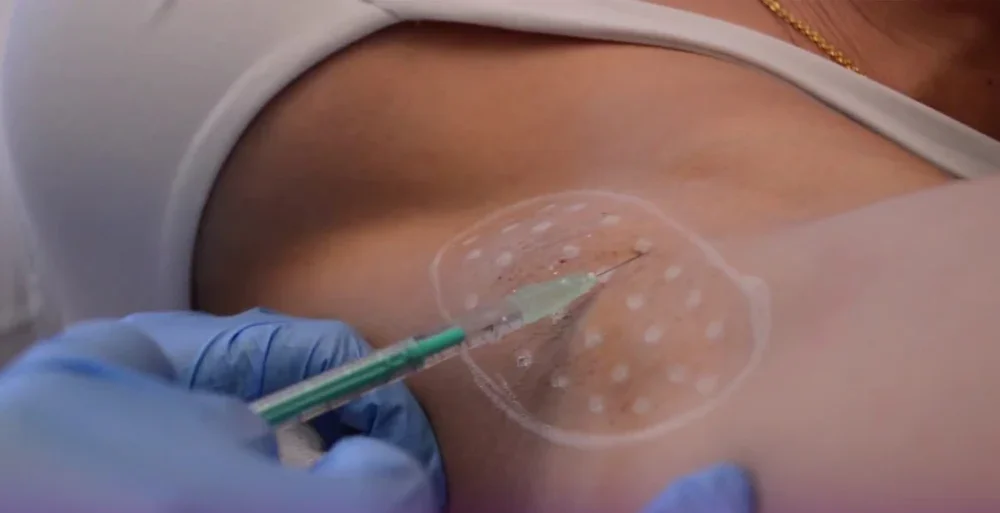
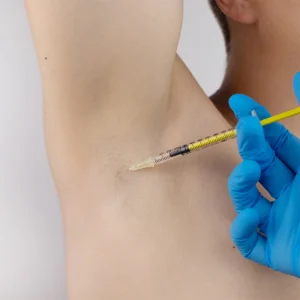
Botox Injection for the Underarms
Botox injections for the underarms are used as a non-surgical and non-invasive method to control excessive sweating in the underarm area. By injecting Botox into the muscles responsible for sweating in this region, their activity is reduced, which in turn leads to a decrease in perspiration.
Botox injections in the underarm area are recognized as a safe and effective method for controlling excessive sweating. By reducing the activity of the sweat-producing muscles, perspiration in this area is significantly decreased.
It is important to note that Botox injections for the underarms are only a temporary solution for excessive sweating and require repeated injections to maintain the results. Additionally, Botox must be injected precisely and in the correct amount, as excessive Botox injections may lead to muscle weakness and unwanted side effects.
Botox injections for the underarms are suitable for many individuals, but not for everyone. Certain medical conditions such as muscular disorders, neurological diseases, heart conditions, specific medications, or other potential side effects may make Botox injections for the underarms unsuitable. Therefore, before deciding on Botox treatment for the underarms, it is advisable to consult with your doctor about your health status, medical history, and any medications you may be taking.
Botox Injection for the Palm of the Hand
Botox injections for the palm of the hand are used as a non-surgical and non-invasive method to control excessive sweating in this area. By injecting Botox into the muscles responsible for sweating, their activity is reduced, leading to decreased perspiration in the region.
In cases where Botox injections in the palm are used to treat other conditions, such as muscle spasms, the results may be noticeable in a shorter period. In any case, it is advisable to consult with your doctor for a precise understanding of the results and the time required for repeat injections.
Cat Eye Botox
Some clinics offer a service known as “cat eye Botox injections,” although this term is not scientifically recognized. This procedure refers to Botox injections around the eyes to make the eyes appear elongated and lifted.
Gummy Smile Correction with Botox
A gummy smile refers to a type of smile where a portion of the gums is visible when a person smiles, which may not be aesthetically pleasing to some individuals. Causes of a gummy smile can include smaller teeth, a strong upper lip muscle, hypertrophied gums, or excessive growth of the upper jaw. In the past, surgical procedures on the lips, gums, or teeth were used to correct a gummy smile, but these required extensive care and came with significant side effects. Fortunately, nowadays, the issue of a gummy smile can be resolved in just 10 minutes with a targeted Botox injection, entrusted to a qualified specialist.
Smile Line Correction with Botox
Smile lines are natural folds that appear from the nose to the outer corners of the mouth, caused by repeated facial muscle movements. These are often referred to as nasolabial lines. As skin ages and loses collagen, especially in certain areas of the face, skin elasticity decreases, resulting in sagging and the formation of smile lines. Marionette lines, or vertical wrinkles at the corners of the mouth, are another common aesthetic issue, often treated with Botox to create a younger appearance.
Botox is a non-surgical, minimally invasive treatment that uses botulinum toxin A to relax facial muscles. The mechanism for correcting smile lines involves blocking nerve signals to the targeted muscles, temporarily paralyzing them, and smoothing out the lines, especially when smiling. Results are visible almost immediately, with significant results noticeable within 3-5 days. The treatment is temporary, lasting about 3-6 months.
Chin Botox
Some individuals notice dimples or wrinkles in their chin as they age, or even from a young age, and may feel self-conscious about their appearance. This is a natural process caused by the reduction of elastin and collagen in the skin, genetics, or lifestyle factors. Fortunately, with modern technology, Botox injections can be used to smooth out uneven or “orange peel” chins, improving their appearance.
It is important to choose a qualified doctor and a trusted clinic for this procedure, as Botox injections need to be administered accurately and at the right depth to ensure effective results and minimize the risk of side effects.
Botox for Hair
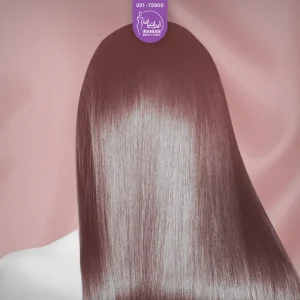
Botox for hair, commonly known as hair Botox, is a revolutionary treatment that rejuvenates and restores the hair from within. Unlike traditional Botox for the skin, this treatment does not use botulinum toxin but rather a deep conditioning formula containing proteins, vitamins, and essential nutrients. It works by filling damaged hair areas, smoothing split ends, and restoring natural shine and softness. Hair Botox is particularly beneficial for those with brittle, damaged, or frizzy hair, as it strengthens and hydrates each strand, making the hair appear healthier, smoother, and younger.
Rabbit Lines Botox Injection
Botox injections for rabbit lines, also known as bunny lines, are used to relax the nose muscles that cause these wrinkles when scrunching the nose. Small injections (usually 2-4 units per side) temporarily paralyze the muscle, smoothing existing lines and preventing them from deepening. This quick and minimally invasive procedure shows results in 3-7 days and lasts for 3-4 months. While effective, excessive injections can affect facial expressions, so precise placement by a specialist is crucial.
Benefits of Botox for Skin Rejuvenation and Beauty
Botox is a safe and effective treatment for wrinkles with numerous beauty benefits. Here are some of the advantages:
- Reduces the appearance of wrinkles: Botox is mainly used to treat dynamic wrinkles that form due to muscle movements, typically around the forehead, between the eyebrows, and around the eyes.
- Lifts eyebrows: Botox can also be used to lift the eyebrows, creating a more youthful appearance.
- Improves crow’s feet: These wrinkles, found at the corners of the eyes, can be reduced with Botox by relaxing the muscles responsible for these lines.
- Prevents the formation of wrinkles: Botox can also be used proactively to prevent new wrinkles from forming.
- No surgery required: Botox is a non-surgical treatment that does not require cuts or stitches, making it a less invasive option.
- Quick recovery time: Botox injections usually take just a few minutes, and there is no significant downtime, allowing you to resume normal activities immediately.
- Relatively safe: Botox is generally safe, with minimal side effects like bruising or swelling that typically resolve within a few days.
Uses of Botox
Botox is used for various medical and cosmetic purposes, such as:
- Cosmetic treatments: Reducing wrinkles, crow’s feet, and forehead lines by temporarily paralyzing the underlying muscles.
- Medical treatments:
- Muscle spasms: Botox is used to treat muscle spasms in conditions like cerebral palsy and multiple sclerosis.
- Migraine prevention: Botox injections can help prevent chronic migraines.
- Excessive sweating: Botox can be used to treat hyperhidrosis (excessive sweating) in areas like the underarms, hands, and feet.
- Overactive bladder: Botox injections can help treat overactive bladder by relaxing the bladder muscles.
Botox works by blocking the signals that normally cause muscles to contract. Its effects are temporary, lasting between 3 to 6 months, and repeated treatments are necessary to maintain results. Botox should only be administered by a qualified healthcare provider trained in the appropriate techniques.
Common Botox Injection Points on the Face
Botox injections are typically targeted to facial muscles to temporarily reduce the appearance of wrinkles and fine lines. Common injection points include:
- Between the eyebrows (glabellar complex) to treat frown lines.
- Forehead to smooth out horizontal lines.
- Crow’s feet at the corners of the eyes.
- Rabbit lines at the sides of the nose.
- Chin to reduce dimpling.
- Neck to tighten skin by relaxing muscles that pull the skin downward.
It is essential to have Botox administered by a trained professional who can determine the appropriate injection sites based on individual needs and goals.
Forbidden Areas for Botox Injection
Botox is highly effective for treating facial wrinkles and other beauty issues such as excessive sweating, facial shaping, and more. However, it is important to note that Botox injections should only be performed by a qualified doctor, and the procedure must be done carefully. Additionally, some areas of the face and body may be considered forbidden for Botox injections, and injecting these areas may lead to serious side effects and complications.
Below are the areas to avoid for Botox injections:
-
Middle of the Face (Between the Eyebrows): Botox injections in this area are prohibited because they can cause facial drooping.
-
Under the Eyes: Botox should not be injected in this area as it can cause drooping eyelids.
-
Above the Eyebrows: Botox injections in this area are forbidden as they may lead to eyebrow drooping.
-
Lower Face Area: Avoid Botox injections here as they can cause mouth drooping.
-
Sides of the Wrist and Hand: Botox injections in this area are prohibited as they may cause muscle weakness and issues like reduced grip strength.
-
Under the Armpits: This area is off-limits for Botox injections as it can reduce sweating and increase the risk of infection.
-
Chest Area: Botox injections in this region are banned as they may cause the heart muscles to weaken, leading to serious health risks.
Important Recommendations Before Botox Treatment
Before undergoing Botox treatment, it’s important to keep several recommendations in mind to ensure a safe and successful procedure. Here are some key points to consider:
-
Choose a Qualified Provider: Select a licensed and experienced medical professional, such as a dermatologist or plastic surgeon, trained in Botox injections. This ensures the procedure is performed safely and effectively.
-
Consultation: Schedule a consultation to discuss your goals, expectations, and medical history. Be honest about any medical conditions, medications, allergies, or past beauty treatments.
-
Set Realistic Expectations: Understand that Botox can deliver subtle improvements but is not a permanent solution and may not address all concerns.
-
Individualized Treatment Plan: A qualified provider will create a customized treatment plan based on your unique facial anatomy and desired results.
-
Know the Risks and Side Effects: Be aware of potential risks and side effects, including temporary bruising, redness, swelling, and rare complications.
-
Avoid Blood Thinners: Refrain from taking blood-thinning medications and supplements, such as aspirin, ibuprofen, and fish oil, about a week before the procedure to minimize the risk of bruising.
-
Avoid Alcohol and Smoking: Avoid alcohol and smoking before the treatment, as they can increase the risk of bruising and affect healing.
-
Allergies and Sensitivities: Inform your provider of any known allergies or sensitivities to avoid potential side effects.
-
Post-Treatment Care: Follow your provider’s post-treatment instructions carefully. Avoid intense exercise, saunas, or extreme heat for the first 24 to 48 hours.
-
Avoid Touching the Treated Area: Do not touch, rub, or massage the treated area immediately after the procedure to prevent the unwanted spread of Botox.
-
Follow-Up Appointments: Schedule any recommended follow-up appointments to evaluate results and make any necessary adjustments.
-
Sun Protection: Use sunscreen to protect your skin from pigmentation changes and maintain skin health.
-
Hydration and Nutrition: Stay hydrated and follow a healthy diet to support your body’s healing process.
-
Be Patient for Results: Results may take a few days to become noticeable and can take up to two weeks to reach their full effect. Be patient and allow your body time to adjust.
-
Stay in Contact with Your Provider: If you experience any unexpected side effects or concerns after treatment, contact your provider immediately.
Remember that individual experiences can vary, so it’s crucial to follow your provider’s advice carefully. Choosing a reputable and experienced provider, adhering to pre- and post-treatment instructions, and maintaining realistic expectations will help ensure a positive Botox experience.
Pre-Botox Actions
Pre-Botox measures, like post-injection care, can be very helpful and effective. During the process, maintain calmness and follow your doctor’s instructions precisely. Due to the sensitivity of Botox procedures, it’s crucial to take the necessary precautions before and after the treatment. If you want to achieve your desired beauty quickly, Botox is the best possible option. Typically, during the procedure, a local anesthetic gel is used to numb the targeted area. This ensures you don’t experience pain during the injection and makes the process more comfortable. The needles used in Botox injections are very fine, which leads to impressive results. If you’re looking for a simple and cost-effective way to enhance your appearance, Botox is undoubtedly the best choice. If you want to see the results of Botox, you need to wait around a week. During this time, the injected elements will begin to work, and your facial rejuvenation will occur optimally. Botox remains a popular treatment, and thousands of women benefit from it.
Types of Botox Brands
Currently, several Botox brands are available in the market, which may differ in response time and result quality. Some Botox brands include:
-
Kaspo Botox: Produced by Galderma in Europe and the U.S.
-
Allergan Botox: Known as Botox Cosmetic, produced by Allergan.
-
Dysport: Produced by Ipsen and known as Azzalure in some regions.
-
Xeomin: Produced by Merz and known as Xeomin in some countries.
Each of these brands may have differences in results and duration of effect due to varying formulations and concentrations. For the best Botox brand choice, consult with your doctor and follow their instructions and guidance carefully.

Dysport Botox
Dysport Botox is a type of Botox used to treat facial wrinkles and reduce excessive sweating in certain areas of the body. It is produced by the company Ipsen and is known as Azzalure in some regions.
Dysport Botox works similarly to Allergan Botox but has slightly different formulations. It is commonly used to treat crow’s feet, forehead lines, lines at the corners of the mouth, and chin. Additionally, Dysport Botox is effective for treating issues such as excessive sweating in areas like the underarms, palms, and feet.
Possible side effects of Dysport Botox include pain and swelling at the injection site, headaches, dry mouth and throat, tremors, and sweating. Furthermore, if the injection is not performed correctly, more serious side effects such as muscle weakness, facial drooping, or pain can occur. Therefore, Dysport Botox should only be administered by a qualified doctor with sufficient experience in Botox injections.

Masport Botox
Masport is a Botox brand produced by the Hong Kong-based company Hugel Inc. This Botox is used to treat facial wrinkles, excessive sweating, facial contouring, and conditions such as migraines, dry eyes, and neurological disorders.
Like other types of Botox, Masport works by injecting a substance called botulinum toxin, which blocks the nerve signals to the targeted muscles, reducing muscle activity in that area. This results in a reduction of the intensity of lines and wrinkles in the treated area, giving your face a more youthful appearance.
Similar to other Botox treatments, Masport may cause side effects such as pain and swelling at the injection site, headaches, dry mouth and throat, tremors, and sweating. Additionally, if the injection is not performed correctly, more serious side effects such as muscle weakness, facial drooping, or pain may occur. Therefore, Masport should only be administered by a qualified doctor with sufficient experience in Botox injections.
Which is better, Dysport Botox or Mesport?
Many of you might be wondering which Botox brand, Mesport or Dysport, is more effective or has better longevity. Both products are made in Iran, and in terms of their mechanism, both are weakened botulinum toxins that work by temporarily paralyzing or preventing the transmission of the chemical messenger acetylcholine at the neuromuscular junction. This action temporarily smooths out wrinkles and lines on the skin. Another similarity is that both are eliminated through the kidneys. However, naturally, these two substances have slight differences that distinguish them from each other.
In terms of structure, Mesport Botox comes in a powdery, dry form and does not require special storage conditions, whereas Dysport Botox contains lactose, which requires specific storage conditions to prevent it from spoiling. Additionally, Mesport contains fewer proteins, and its diffusion rate is slower. As a result, the effects of Mesport Botox tend to show up a few days later, while Dysport Botox shows results immediately after injection.
Another difference between the two types of Botox is their longevity. Dysport Botox lasts longer than Mesport, with a maximum duration of up to 6 months. However, the choice between Mesport and Dysport depends on how your body responds and the preferences of the medical professionals administering the treatment.
What are the benefits of Botox injections?
Botox injections are a popular cosmetic treatment that involves injecting botulinum toxin, a neurotoxin, into targeted facial muscles to temporarily paralyze them, resulting in smoother, wrinkle-free skin. Some benefits of Botox injections include:
- Reduction in the appearance of wrinkles: Botox injections can effectively reduce the appearance of lines and wrinkles, particularly in areas like the forehead, around the eyes (crow’s feet), and between the eyebrows (frown lines).
- Boosts confidence and self-esteem: Many people feel self-conscious about their wrinkles and fine lines, and Botox injections can help them feel more confident and comfortable in their skin.
- Non-surgical and minimally invasive: Botox injections are a non-surgical and minimally invasive method to achieve a youthful appearance, with no downtime required.
- Quick and convenient: Botox injections can be performed in a few minutes, and usually, no anesthesia or pain medication is needed.
- Long-lasting results: Botox injections typically last between 3 to 6 months, meaning you can enjoy smoother, younger-looking skin for several months before needing follow-up treatments.
- Treatment for medical conditions: Botox can also be used to treat certain medical conditions, such as chronic migraines, excessive sweating (hyperhidrosis), and muscle spasms.

Side Effects After Botox
Although Botox is generally considered safe, like any medical procedure, it comes with potential risks and side effects. Some common Botox side effects include:
-
Bruising: Many people experience mild to moderate bruising at the injection site. This can occur due to the needle puncturing small blood vessels under the skin.
-
Swelling: Swelling may develop after the treatment, especially in areas with thinner skin or where higher doses of Botox were used.
-
Headache: Some individuals may experience a headache after Botox treatment. This is typically mild and temporary.
-
Drooping eyelids or eyebrows: In rare cases, the toxin may spread to other areas of the face, causing drooping of the eyelid or eyebrow. This issue is usually correctable with additional injections.
-
Flu-like symptoms: Some individuals may experience flu-like symptoms such as fever, chills, and fatigue after Botox treatment. These symptoms are typically mild and temporary.
-
Allergic reactions: Although rare, some individuals may have an allergic reaction to Botox. Symptoms may include itching, rash, and difficulty breathing.
It is important to discuss any concerns or potential risks with your healthcare provider before undergoing any medical procedure, including Botox treatment.

Eyelid Drooping After Botox
Although Botox injections are considered one of the safest and most secure beauty techniques, if the procedure is not performed by a qualified clinic or an experienced specialist, side effects like eyelid drooping can occur. Imagine a person receiving Botox injections for forehead wrinkles. If the injection is done incorrectly, at the wrong depth or location, it can cause the Botox to move to the wrong area, such as the eyebrow-supporting muscles, leading to drooping eyebrows and eyelids.
Sometimes, people seek Botox treatment for frown lines between the eyebrows, and if injected incorrectly, the Botox might travel to the eyelid muscle and cause eyelid drooping by paralyzing it. To correct this issue, which usually appears within one to three weeks after the injection, it’s enough to wait for about six weeks until the Botox effects wear off.
As you can see, the most important factor in preventing eyelid drooping after Botox injections is ensuring the procedure is performed correctly, at the proper location and depth. To avoid any complications, it’s essential to visit an experienced beauty specialist who can determine the correct injection site and depth, preventing any miscalculations that could lead to eyelid drooping.
Skin Rejuvenation with Botox Injections
Advancements in medical aesthetics have provided many different techniques for skin rejuvenation, and one of the most popular methods is Botox injections. You’ve probably heard the saying, “prevention is better than cure,” and while it may sound cliché, it holds true when it comes to skin rejuvenation.
Aging is an inevitable process that everyone experiences, and as we age, our bodies go through changes that may negatively affect our beauty and health. However, many people are concerned with maintaining their beauty and youth. Botox injections are a great way to prevent the visible signs of aging.
Botox Injection Prices
Botox injection prices can vary significantly based on location, the area treated, the number of Botox units required, and additional costs. The expertise of the injector also influences the price. In Iran, Botox injections typically range from a few hundred thousand to several million tomans, but prices can vary greatly, so it’s best to consult with your injector or clinic.
Botox is generally not covered by insurance for cosmetic purposes, though it may be covered for some medical conditions related to muscles and nerves.
Factors Affecting Botox Injection Costs
The cost of Botox injections can vary depending on several factors, including the clinic’s location, the experience of the injector, the number of Botox units used, and the specific area being treated. Typically, Botox is priced per unit, and the total cost depends on how many units are needed for your treatment.
For an accurate estimate, it’s best to consult with the Iranian beauty clinic’s specialists to understand the required Botox amount and treatment process.
Post-Botox Care
After Botox injections, proper post-treatment care is essential to reduce the risk of complications. Here are some key aftercare tips:
-
Avoid touching the treated area: To maintain the transparency and effectiveness of the results, avoid touching the treated area to prevent infection.
-
Avoid exercise: Refrain from physical activities for 24 to 48 hours post-injection to allow the Botox to absorb properly.
-
Avoid alcohol: Stop consuming alcohol and blood-thinning medications for 24 to 48 hours to avoid complications.
-
Avoid hard foods: After Botox, avoid eating hard or dry foods to protect the treated area.
-
Follow the doctor’s instructions: Adhere strictly to your doctor’s aftercare guidelines to ensure the best results and prevent side effects.
In case of any unwanted side effects, notify your doctor immediately.
Why Should You Avoid Smoking After Botox Injections?
Smoking may not immediately affect Botox results, but long-term smoking can reduce the benefits of Botox. Nicotine in cigarettes interferes with collagen production, leading to quicker aging and more wrinkles, which will decrease the longevity of Botox’s effect.
Is Botox Safe?
Botox is generally safe when performed by a qualified and experienced practitioner. It’s important to ensure that your body and immune system are in good condition before undergoing any cosmetic procedure. If you have underlying medical conditions or smoke, Botox might not be recommended. A qualified plastic surgeon can help determine if Botox or a different procedure is right for you.
Why Choose Iranian Clinic for Botox Injections?
For safe and effective Botox injections, consider visiting the Iranian clinic, which has a team of skilled professionals who specialize in skin rejuvenation and Botox treatments.
Botox vs. Dermal Fillers
Botox and dermal fillers are both popular methods for treating wrinkles and lines. Botox works by temporarily paralyzing muscles that cause wrinkles, while dermal fillers like hyaluronic acid are used to plump and fill lines. Botox lasts 3-6 months, whereas dermal fillers may last 6-18 months.
For the best results, consult with an experienced specialist to determine which method is right for you.
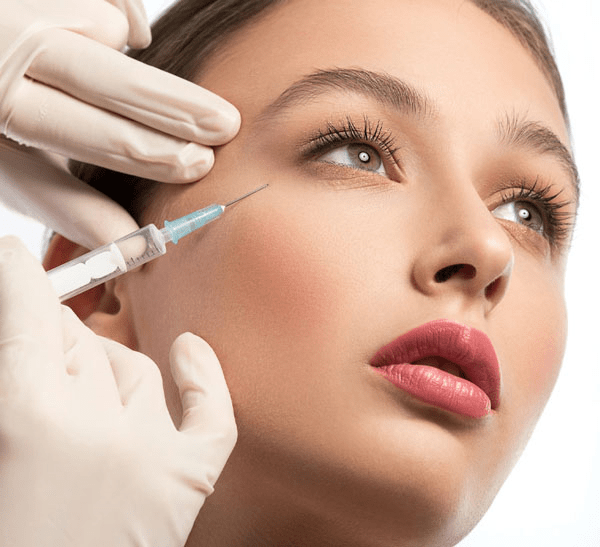
In the Botox skin rejuvenation method, there is no need for anesthesia. This is an outpatient procedure and is performed in about 10 to 15 minutes using special needles. Initially, the area to be treated is disinfected, and then Botox is injected. It should be noted that the effects and duration of this method in skin rejuvenation vary among individuals. However, the maximum time required to observe the effects is two weeks.
Benefits of Botox Skin Rejuvenation
As mentioned above, the effectiveness of Botox and the visible results of the procedure can vary among patients. However, the speed of its effectiveness largely depends on the skill and expertise of the treating physician. A skilled and experienced injector can deliver a beautiful result with unique benefits.
Some of the advantages of Botox skin rejuvenation include:
-
Botox injections help erase facial wrinkles.
-
It eliminates lines around the neck and eyes.
-
It minimizes forehead wrinkles.
-
It is used for facial skin freshness.
-
Botox injections can lift the eyebrows.
-
It can reduce asymmetry in the gums while smiling.
-
Botox injected in areas like the palms of the hands and underarms helps eliminate excessive sweating.
Forehead Rejuvenation with Botox Injections
One of the most important applications of Botox injections in facial rejuvenation is creating freshness and eliminating lines on the forehead. In other words, it is used to smooth horizontal lines and wrinkles on the forehead. By reducing the function of the muscles in this area that cause these lines, it restores lost freshness to the forehead for several months.
Interestingly, forehead rejuvenation with Botox is one of the most common cosmetic treatments approved by the FDA.
Eye Rejuvenation with Botox Injections
One of the options that individuals seeking skin rejuvenation often choose compared to other beauty methods is Botox injections in the eye areas. The results of Botox injections around the eyes are usually visible within one to three days after the procedure.
Therapeutic Applications of Botox
Facelifts, also known as rhytidectomy, are sometimes necessary to correct facial skin sagging. Various techniques are used for facelift procedures.
We cannot emphasize enough the importance of choosing a board-certified plastic surgeon who is a true specialist in Botox skin rejuvenation. Facial rejuvenation is much more than just a facelift, and when done correctly, it focuses on facial harmony.
To maintain facial harmony, a facelift is often combined with eyelid surgery and fillers to restore the natural jawline, rejuvenate the cheekbones, and lift the eyebrows.
Botulinum toxins like Botox, Dysport, and Xeomin block neuromuscular signals, which in turn weakens the targeted muscle, preventing muscle contractions and reducing unwanted wrinkles in the treated area.
Botox has many uses and can be applied to treat forehead lines, frown lines, neck bands, and more. When considering plastic surgery methods to address aging concerns, it is always essential to work closely with a cosmetic specialist.
A board-certified plastic surgeon who understands the aging process is highly recommended. You need a specialist who can help you decide whether neuromodulators are appropriate for smoothing lines and wrinkles or if a more invasive procedure is necessary.
Risks and Side Effects of Botox
The skin is primarily composed of hyaluronic acid, a compound found specifically in skin tissue but can be replicated for cosmetic purposes. When injected, fillers have plumping properties, filling wrinkles and restoring lost youthful volume over time.
Fillers are particularly useful for deeper lines like those around the mouth and nose and for enhancing lip volume. Anti-aging and skin fillers both act as independent treatments, and many individuals enjoy the visible results of just one of these treatments. However, when Botox and fillers are combined for skin rejuvenation, the results are enhanced and serve a dual purpose.
While skin fillers can add volume to the face, reduce sagging, and fill deeper lines and wrinkles, anti-aging injections help contract facial muscles, preventing excessive movement that causes sagging and wrinkles.
Thus, you can view a combined treatment as both a solution to your current skin problems and a preventive measure to stop them from worsening. Patients who use the combined effects of Botox and fillers for skin rejuvenation report looking younger without appearing unnatural.
Is Botox Safe Before Pregnancy?
If you’re considering pregnancy, trying to conceive, or already pregnant, it’s natural to have questions about Botox and pregnancy. To put it simply, Botox is a purified protein that can be safely injected into the skin. Trained professionals inject Botox into specific muscles and temporarily block motor nerve impulses. People use Botox for various medical conditions and cosmetic treatments, whether it’s reducing wrinkles or easing the pain of chronic migraines.
However, the question of whether Botox is harmful before pregnancy is complex. Your health and safety during pregnancy are paramount, so if you’re planning to get pregnant or are already pregnant and considering Botox purely for cosmetic reasons, it is better to postpone the procedure until after pregnancy and breastfeeding.
Pregnancy itself involves many stressors and unknowns, so there’s no reason to add an additional worry with an unnecessary factor like Botox. If you find out you’re pregnant shortly after receiving Botox, there’s no need to panic. There is no conclusive data to suggest that Botox would negatively affect your pregnancy. Moreover, Botox attaches to neuromuscular receptors within 1-2 hours after injection and does not spread into your bloodstream, so you can proceed through your pregnancy with peace of mind.
Botox Disadvantages During Pregnancy
It is not yet definitively known whether Botox injections are risky for pregnant women, but many animal studies have been conducted on pregnant rats and rabbits, yielding unsatisfactory results. For this reason, most specialists recommend that pregnant women avoid Botox injections, as the potential risks outweigh the benefits.
Botox is classified as a Category C drug by the FDA. This means that animal studies have shown potential adverse effects of Botox on the fetus, but no formal studies have been conducted on pregnant women. Therefore, the exact risks are still unclear. However, some potential risks of Botox during pregnancy include:
-
Miscarriage: Animal studies have shown that Botox can cause miscarriage in pregnant rats, though it is unknown whether this risk applies to humans.
-
Birth defects: Animal studies have also suggested that Botox may cause birth defects in pregnant rabbits, but it is unclear if this applies to humans.
-
Low birth weight: Some studies suggest that babies born to mothers who received Botox during pregnancy may have lower birth weights than those born to mothers who did not.
-
Other problems: Botox may also cause other issues such as muscle weakness, difficulty swallowing, and breathing problems in pregnant women.
Who Should Not Receive Botox Injections?
While most people are suitable candidates for Botox procedures, an allergic reaction is a potential risk, though very rare. It is important to note that the effects of Botox during pregnancy are not yet known, and it should therefore be avoided in such situations.
If you have any other health conditions or pre-existing circumstances that might make you concerned about facial injections, be sure to discuss them during your consultation with your doctor.
Generally, skin fillers and anti-aging injections can be used to address aging symptoms, ranging from early signs of aging to moderate lines and wrinkles.
Your skin’s condition, along with the results you hope to achieve, may affect the number of injections required and the areas to be treated. All treatments are performed with careful evaluation and are designed to achieve natural-looking results.
Who is the Best Candidate for Botox Injections?
Botox injections are a neurotoxin and are not recommended for everyone. The best candidates for Botox injections are individuals who:
-
Have moderate to severe wrinkles or crow’s feet on their face and neck and wish to reduce their appearance.
-
Are in good physical and mental health.
-
Are aware of the potential side effects of Botox and have realistic expectations for the results.
-
Are over 18 years of age.
-
Are not pregnant or breastfeeding.
Botox is an excellent option for treating facial lines, but it does have its limitations. If you have wrinkles due to sagging skin, Botox will not help in treating this condition.
What Should I Do Before Botox Injections?
-
One Week Before
Avoid taking blood-thinning medications such as aspirin and ibuprofen. Do not take supplements like multivitamins, milk thistle, ginkgo biloba, evening primrose oil, garlic, ginseng, and vitamin E during this time. -
Two Days Before
Avoid using active topical products, including tretinoin (Retin-A, Retinol), glycolic acid, or any “anti-aging” products. Instead, use milder cleansers and creams that will not irritate your skin. You should also refrain from waxing, tweezing, laser treatments, or using depilatory creams on the area being treated.
Botox Face Procedure Steps
The steps of the Botox face procedure usually involve several main stages:
-
Initial Consultation: A consultation with a beauty specialist or doctor is conducted to assess the skin condition and determine the areas to be treated. During this stage, the doctor will evaluate your needs and provide the necessary explanations.
-
Cleaning and Disinfection: The areas to be treated are cleaned and disinfected to prevent any infections.
-
Topical Anesthesia: A topical numbing cream may be applied before the injection to reduce discomfort.
-
Injection: Botox is then injected into the targeted muscles using very fine needles. Each area typically takes only a few minutes, and the procedure causes minimal pain.
-
Post-Injection Care: After the injection, the patient can resume normal activities but should avoid massaging or applying pressure to the injected areas.
-
Results: Results usually appear within a few days, with full effects being visible within about two weeks. Follow-up sessions may be required to maintain results.
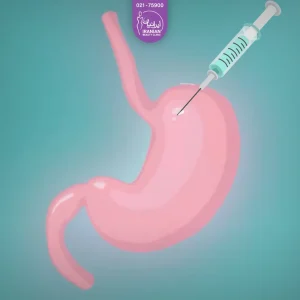
Botox for Stomach
Botox, which is commonly used to treat skin wrinkles, has recently been introduced as a non-surgical weight loss method. In the stomach Botox procedure, Botox is injected into the inner wall of the stomach, helping to reduce appetite and create a feeling of fullness for longer. This effect is due to the relaxation of stomach muscles and delayed gastric emptying, which causes food to stay in the stomach longer. However, this injection alone cannot work miracles and should be combined with dietary changes and physical activity for better results.
This method is generally recommended for individuals who are overweight with a body mass index (BMI) below 35. For people with severe obesity, other weight loss methods are usually more appropriate. Also, individuals with serious stomach issues or obesity-related diseases may not be suitable candidates for this treatment.
Botox for Feet
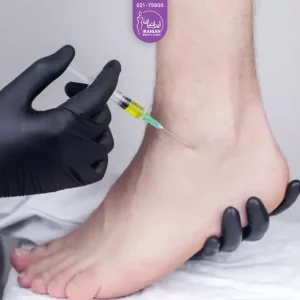
Excessive sweating of the feet is a common problem that many people face. One effective treatment for this issue is Botox for the feet. This method is widely used globally, especially in the United States, and is recognized as a reliable solution for reducing sweating.
When the botulinum toxin is injected into the feet, it reduces the activity of sweat glands in that area. In other words, it temporarily paralyzes the muscles in the targeted area, resulting in a significant reduction in sweating. This effect can reduce sweating by 70 to 80%.
Other benefits of Botox for treating foot sweating include skin rejuvenation and reduction of existing wrinkles. This method generally costs less than complex and expensive surgeries, and its results are visible quickly. Therefore, botulinum toxin is considered a safe and effective option for controlling excessive foot sweating.

Sleeping After Botox
After Botox injections, there are specific steps to follow for optimizing results and avoiding complications:
First 4 Hours: During this period, it is recommended to sleep on your back or keep your head elevated with pillows. This is because the Botox is still settling into the targeted muscles during the first few hours after the injection. If you sleep on your side or stomach, the substance might migrate to other areas of the face, affecting the treatment results. Additionally, this helps prevent complications like eyelid or eyebrow drooping, which may occur if Botox moves to unintended areas.
After 4 Hours: Once this time has passed, you can sleep in any position that is comfortable. However, you should still avoid putting too much pressure on the injected areas. Generally, for the first few days after the procedure, avoid any activities that involve pressure or rubbing on the treated facial areas. This precaution helps maintain the treatment results and prevent potential side effects.
Botox for Migraines
Botox for migraines is an FDA-approved treatment for individuals suffering from chronic migraines, recognized since 2010. This treatment uses botulinum toxin, which is typically used for reducing facial wrinkles. In this method, specialists inject the toxin into specific areas around the head and neck. The goal of these injections is to reduce nerve activity that causes migraine pain. Botox blocks pain signals in the nerves and muscles, which helps reduce the frequency and intensity of migraine attacks. This leads to a decrease in disabling symptoms and improves the quality of life for migraine sufferers.
This treatment cannot cure migraines but helps better manage and control headaches. Therefore, Botox for migraines has been proposed as an option for individuals with chronic migraines and can significantly reduce the number and severity of migraine attacks.
Botox for Frown Lines
Botox for frown lines is a popular non-surgical method to reduce forehead wrinkles and the areas around them. This treatment involves injections into specific areas of the forehead that, through its protein composition, temporarily relax and smooth the underlying muscles. Botox is derived from a bacterium called Clostridium botulinum and works by blocking nerve signals to the muscles, preventing them from contracting, which in turn reduces frown lines and wrinkles caused by repetitive muscle movements.
This treatment is very popular due to its non-surgical nature. Instead of more complex and expensive methods like cosmetic surgery, HIFU therapy, or fat injections, Botox is considered a quick and effective option for improving facial appearance. It’s especially suitable for those looking for a fast solution to reduce frown lines and achieve smoother, younger-looking skin. The results of this treatment are usually visible quickly and can significantly boost an individual’s confidence.
Another advantage of this treatment is that it doesn’t require downtime or a recovery period, and individuals can resume daily activities immediately after the procedure. However, the effects are not permanent, and to maintain optimal results, Botox injections need to be repeated every few months. Thus, Botox is known as an effective option for those seeking quick and low-maintenance changes to their appearance.
Botox for Crow’s Feet
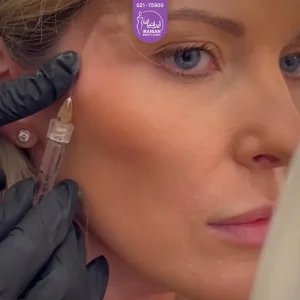
Botox for crow’s feet involves treating the lines around the eyes with botulinum toxin. The process begins with the doctor carefully cleansing the areas around the eyes, followed by disinfecting the skin with a sterile alcohol pad. After this, a topical anesthetic may be applied to reduce pain and discomfort during the injection. The doctor then uses very fine, specialized needles to precisely inject the toxin into the targeted areas around the eyes. This helps reduce fine lines and wrinkles.
After the injections, the treated areas may be gently massaged to ensure even distribution of the substance and optimal results. The final results are typically visible within about 10 days, and this treatment is particularly effective for individuals whose crow’s feet are deep and noticeable.

Best Botox Clinics in Tehran
When selecting the best Botox clinic in Tehran, it’s crucial to consider the expertise and experience of the doctors, as their skill significantly impacts achieving desired results. Checking the clinic’s certifications and adherence to health and safety standards is also vital to ensure your well-being. Ensuring the use of reputable Botox brands and sterilized equipment is another important factor. Additionally, initial consultations with the doctor help you become familiar with the treatment methods and the doctor’s expertise. Feedback and experiences from previous clients also provide valuable insight into the quality of services. Consideration of pricing, the quality of services, and the professionalism of the staff and clinic environment are also essential for a safe and satisfying Botox experience.
Best Botox Brands: Domestic and International
Botox has gained popularity for its anti-wrinkle and skin rejuvenation properties. There are various types available on the market, broadly divided into Iranian and foreign Botox brands. Iranian Botox brands like Mesport and Diston are produced in Iran and are recognized for their quality and effectiveness.
Here’s an overview of the best Iranian and foreign Botox brands:
Mesport: Particularly effective for treating deep lines between the eyebrows and forehead wrinkles, this Botox is approved by health and pharmaceutical organizations. It provides a smoother, younger appearance by reducing facial muscle activity.
Diston: Another Iranian Botox brand, Diston is popular due to its excellent results and quick action. It is widely used for treating facial wrinkles and other therapeutic purposes.
On the other hand, foreign Botox brands offer unique benefits:
Dysport: A product from the UK, Dysport is known for its quick action and strong effectiveness in reducing facial wrinkles and treating other beauty concerns. Results are usually visible within a few days.
Xeomin: Made in Germany, Xeomin stands out due to its special characteristic of not requiring storage at low temperatures. In addition to wrinkle reduction, it can also help alleviate migraine headaches.
Neuronox: A product from South Korea, Neuronox is known for its therapeutic applications alongside its cosmetic benefits. It effectively relaxes facial muscles and helps reduce the appearance of wrinkles.
These diverse brands offer consumers various options to choose from based on personal needs and preferences. Selecting the right Botox can lead to significant improvements in skin appearance and address beauty concerns effectively.
Interval Between Botox Sessions
Botox is commonly used to reduce muscle activity and minimize facial wrinkles. When administered properly and at appropriate intervals, it can work effectively and yield desirable results.
The effects of Botox may decrease over time as the body adjusts to the treatment. Therefore, repeat injections are necessary at reasonable intervals. If these intervals are too short, side effects may increase due to the accumulation of the toxin in the body. On the other hand, if the intervals are too long, the therapeutic effects may diminish, and desired results may not be achieved.
Since Botox temporarily relaxes muscles, overuse can lead to a loss of natural facial flexibility, making it difficult to express emotions normally. Therefore, determining the proper interval between Botox sessions is critical to avoid potential issues and ensure optimal results.
Swelling After Botox
After Botox injections, bruising and swelling may occur in the treated area, which are typically temporary and natural. This is mainly due to damage to small blood vessels under the skin when the needle is inserted and tissue stimulation. However, choosing an experienced and skilled doctor is crucial to minimizing unnecessary damage. Additionally, getting adequate rest and avoiding pressure on the injected area can help reduce swelling. Applying a cold compress also aids in easing swelling and bruising, and it’s recommended to avoid strenuous physical activities and exposure to high heat. By following these tips and consulting with your doctor, you can have a better experience with fewer side effects.
Does Botox Cause Skin Sagging?
The question often arises: does Botox cause skin sagging? Botox is a popular method in both aesthetics and medicine for reducing facial wrinkles and improving skin appearance. It works by blocking nerve signals to specific muscles, causing them to relax and reducing wrinkles. Generally, Botox does not directly cause skin sagging, as its main purpose is to reduce muscle activity, which in turn improves the appearance of the skin.
However, if not performed properly or with excessive amounts, it could lead to undesirable side effects such as muscle weakness or changes in the appearance of the skin. Therefore, if injections are done incorrectly or in excessive doses, it may result in problems with the skin’s appearance. It’s crucial that Botox injections be performed under the supervision of a skilled and experienced doctor to prevent potential issues and negative side effects. Choosing a reputable and skilled doctor can help improve results and reduce associated risks.

Is Botox Harmful During Breastfeeding?
Botox, used for reducing facial wrinkles and improving skin appearance, is generally not recommended during breastfeeding. The main reason for this precaution is the lack of sufficient research regarding its safety and effects on breast milk and the baby. Although Botox is injected locally and, under normal conditions, only a small amount of the chemicals enter the bloodstream, it is still unclear whether this small amount can be transferred to breast milk and affect the baby.
Additionally, hormonal and physiological changes during breastfeeding may influence the body’s response to Botox and alter the treatment results. To avoid any potential risks, it is recommended to refrain from Botox injections while breastfeeding or, if necessary, consult with a specialist to ensure all aspects are considered and an informed decision is made. The health of both the mother and baby should always be prioritized, and proper precautions should be taken.
Does Botox Break the Fast?
Regarding the question of whether Botox breaks the fast, since the injection is administered into the muscles rather than directly into the bloodstream or digestive system, it typically does not invalidate the fast. According to religious principles, breaking the fast pertains to things that directly enter the body and cause physiological effects. Since Botox is injected locally and not through the mouth or nose, it does not appear to invalidate the fast. However, the final ruling may vary depending on your specific religious and legal school of thought. For complete assurance, it is recommended to consult with a religious scholar or relevant legal advisor.
Headaches After Botox
Headaches after Botox injections, although not common, may occur in some individuals and are usually temporary and mild. These headaches can be caused by various factors, including the injection site, muscle tension, or an unusual reaction to botulinum toxin. Injection sites near the head and neck, such as the forehead or around the eyes, may cause irritation or pressure on muscles and nerves, leading to headaches. Additionally, the injection can alter muscle contractions, potentially causing muscle tension and resulting in a headache. In some cases, incorrect use of the needle or injection technique may also be the cause of the headache. To relieve the headache, you can use common pain relievers like paracetamol, but if the headache is severe or persistent, or accompanied by other symptoms, consulting with a doctor is essential to identify the exact cause and provide appropriate treatment.
Dizziness After Botox
Dizziness after Botox injections can occur for various reasons. This condition may result from a person’s reaction to the medication, stress and anxiety related to the treatment, or temporary changes in blood pressure. Additionally, rapid changes in body position after the injection may contribute to dizziness. If you experience dizziness after the injection, it is recommended to consult with your doctor to investigate the exact cause and receive appropriate treatment.
The Effect of Heat on Botox
The effect of heat on Botox can have negative consequences. Using heat, such as in a hot bath, sauna, or exposure to intense sunlight, may increase blood circulation and stimulate muscles, which can impact the results of the injection. It is important to note that heat may cause the Botox to move away from the injection site more quickly or lead to bruising and swelling. To maintain optimal results and prevent complications, it is generally recommended to avoid heat and similar activities for a few days after the injection.
Shaving After Botox
Shaving your face after Botox can cause problems because the stretching associated with shaving may shift the Botox from its intended location. Additionally, using threading for shaving can lead to bruising in the injected areas, affecting the results of the treatment. For this reason, it is typically advised to avoid threading for at least 72 hours after the injection. This allows the skin time to return to its natural state and helps stabilize the effects of the Botox. However, for the best outcome and to prevent potential issues, it is essential to consult with your specialist. Based on the type of Botox injected and your skin’s specific condition, your doctor can determine the appropriate time to resume shaving and provide the necessary guidance.
Does Botox Cause Facial Spots?
In response to the question of whether Botox causes facial spots, it can be said that Botox generally does not cause spots on the skin. This treatment does not reach the deep layers or the surface of the skin; it only affects the underlying muscles. However, some individuals may experience temporary skin discoloration or mild bruising after the injection due to inflammation or rare skin reactions, which typically resolve quickly. To prevent any adverse effects, it is important that the injection is performed only by an experienced and qualified doctor, and that post-injection care instructions are followed.








 Quanta Creative Agency