



What is a Temporal Lift?
A temporal lift, also known as a temporal brow lift, is a cosmetic surgery that elevates the outer one-third of the eyebrow. It is often performed in conjunction with eyelid surgery but can also be done on its own. The procedure is carried out under local anesthesia with sedation. The surgeon makes one or two incisions behind the hairline, just above the temples. Then, the underlying tissue in the brow area is lifted and repositioned to achieve the desired results. This procedure typically takes about one hour.
In the pursuit of maintaining a youthful and refreshed appearance, many individuals explore various cosmetic methods. One such increasingly popular method is the temporal lift. Also referred to as a lateral brow lift, this surgical technique is designed to address sagging skin and wrinkles around the temples, resulting in a more youthful look.
Temporal lift is one of the modern methods of facial rejuvenation that significantly reduces signs of aging and sagging skin in the temple area. This procedure is especially suitable for individuals seeking to improve their appearance and look younger. A temporal lift can have a direct impact on the shape of the face, the position of the eyebrows, and the overall beauty of the face. In this article, we will explore the basics of temporal lifting, its costs, various techniques, suitability for different individuals, and its longevity when performed with threads. Also known as a temple lift, it is a cosmetic procedure designed to correct sagging of the skin and tissues in the temple and brow areas.
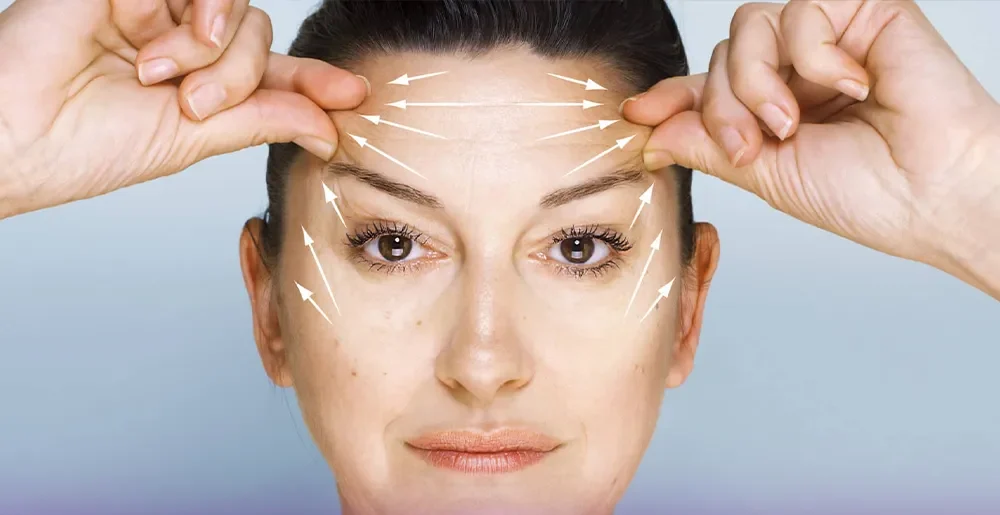
How is a Temporal Lift Performed?
A temporal lift, also known as a temporal brow lift, is a surgical procedure typically performed by a qualified plastic surgeon. The specific technique used may vary depending on the surgeon’s preferences and the patient’s individual needs. Here’s an overview of how a temporal lift is generally performed:
Anesthesia: The procedure is usually done under local anesthesia with sedation or general anesthesia, depending on the surgeon’s recommendation and the patient’s preference.
Incision Placement: The surgeon makes incisions in the temporal area, typically along the hairline or within the natural creases of the temple. The incision location is discussed and planned in advance to minimize visible scarring.
Tissue Elevation: The surgeon carefully lifts and separates the underlying tissues of the temples, including skin, subcutaneous fat, and muscle layers. This allows access to the area and the ability to reposition and tighten the tissues.
Tissue Repositioning: The surgeon then lifts and repositions the tissues of the temples to achieve the desired height and contour. This may also include adjusting the muscles and supportive structures.
Excess Skin and Tissue Removal: If necessary, the surgeon removes any excess skin and tissue to create a smoother, more youthful appearance. This step helps correct sagging or surplus skin in the temple area.
Closure: Once the desired adjustments are made, the surgeon carefully closes the incisions using sutures or other appropriate closure techniques. Incisions are typically closed in layers, and deeper sutures may be placed to provide additional support.
Bandaging and Recovery: The surgeon may apply dressings or a compression garment to the treated area to minimize swelling and support the healing process. Post-operative instructions will be provided, including guidance on managing discomfort, keeping the incision site clean, and avoiding strenuous activities.
It is important to note that the features of this procedure can vary depending on the individual’s unique case, the surgeon’s expertise, and the surgical method selected. The surgeon will provide detailed pre- and post-operative instructions to ensure smooth healing and optimal results. During a temporal lift, incisions are made along the hairline or temple area, and the underlying tissues are repositioned and tightened to lift the eyebrow and temple region.
Benefits and Advantages of a Temporal Lift
A temporal lift, also known as a lateral brow lift, offers numerous benefits for individuals seeking rejuvenation of the temple area and a more youthful appearance. Some of the key advantages of a temporal lift include:
Rejuvenated Appearance: A temporal lift can effectively address sagging skin, wrinkles, and signs of aging in the temple region. By lifting and repositioning the tissues, it creates a smoother, firmer, and more youthful look around the temples and brows.
Improved Eyebrow Position: This procedure can elevate the outer portion of the eyebrows, restoring a youthful and aesthetically pleasing eyebrow shape. It helps open up the eyes and creates a refreshed, alert appearance.
Reduction of Wrinkles and Frown Lines: A temporal lift also helps reduce the appearance of wrinkles and frown lines in the temple and forehead area. By repositioning the tissues and smoothing the skin, it contributes to a relaxed and youthful facial expression.
Customized Results: A temporal lift can be tailored to each individual’s unique needs and desired outcomes. This procedure allows for precise adjustments and sculpting of the temple area, resulting in natural-looking enhancements that improve overall facial harmony.
Long-Lasting Results: Although the aging process continues over time, the results of a temporal lift can be long-lasting. The repositioned tissues and tightened skin can provide sustained improvements, allowing individuals to enjoy a rejuvenated look for many years.
Potential for Combination Procedures: A temporal lift can be combined with other facial rejuvenation techniques, such as eyelid surgery (blepharoplasty) or a facelift, for a more comprehensive facial refresh. Combining procedures can create more balanced and harmonious results, addressing multiple areas of concern in a single surgical session.
It is important to consult with a qualified plastic surgeon to discuss your specific concerns and goals, and to determine whether a temporal lift is the right procedure for you. The surgeon can evaluate your individual case, explain the potential benefits, and guide you through the decision-making process to help you achieve your aesthetic goals.
Understanding the Risks and Complications of a Temporal Lift
While a temporal lift (also known as a lateral brow lift) can deliver significant aesthetic improvements, it’s essential to be aware of its potential drawbacks and associated risks. These may include:
Scarring: As with any surgical procedure, a temporal lift involves incisions that may lead to visible scars. Although surgeons aim to hide incisions along the hairline or in discreet areas, there remains a risk of noticeable scarring—especially in individuals prone to hypertrophic or keloid scarring.
Nerve Injury: The temple area contains important sensory nerves that provide feeling to the scalp and forehead. During a temporal lift, there is a risk of nerve damage that may cause temporary or permanent numbness, altered sensation, or even muscle weakness in the forehead or scalp. Although rare, these complications can occur.
Hair Loss: Depending on the surgical technique, a temporal lift can compromise blood flow to nearby hair follicles, potentially causing temporary or permanent hair loss around the incision sites. This risk is greater in individuals with thinning hair or those predisposed to hair loss.
Infection and Hematoma: As with any surgery, there is a possibility of infection or hematoma (a collection of blood) forming at the surgical site. These complications may delay healing, require additional medical intervention, and lead to further problems if not managed promptly.
Unsatisfactory Results: While a temporal lift can offer noticeable improvements in the appearance of the temples and brows, results are not guaranteed. Factors like individual anatomy, tissue quality, and healing response can affect the outcome. Some patients may find their expectations unmet and may require revision procedures.
General Surgical Risks: Any surgery carries general risks such as adverse reactions to anesthesia, bleeding, blood clots, and poor wound healing. Although these are relatively uncommon, they should be openly discussed with your surgeon.
Final Note:
It is crucial to consult a qualified plastic surgeon to thoroughly understand the potential risks, complications, and limitations of a temporal lift. A professional evaluation will help you weigh the benefits and risks and make an informed decision about whether this procedure aligns with your goals and expectations.

Does a temporal lift hurt?
In response to whether a temporal lift hurts or not, it should be said that like other surgeries, a temporal lift surgery requires a few days of recovery, and some pain in the temple area is natural. In such cases, the cosmetic surgeon prescribes painkillers. However, in non-surgical methods of temporal lift, the pain is very minimal, and after undergoing these methods, the individual can easily resume daily activities.
Temporal Lift Techniques
The term “temporal lift” generally refers to a cosmetic procedure that targets the temples, the areas on the sides of the forehead adjacent to the eyes. This procedure rejuvenates and restores a more youthful appearance to the temples by addressing issues such as volume loss, sagging skin, and wrinkles in that area.
There are several techniques that can be used for a temporal lift, and the specific approach may vary depending on the individual patient’s needs and the surgeon’s preferences. Some common methods include:
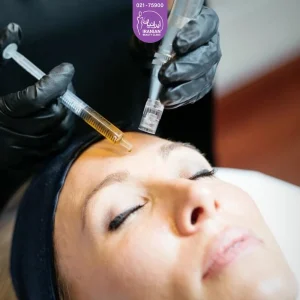
Dermal Fillers: This non-surgical option involves injecting dermal fillers, typically made of hyaluronic acid or similar substances, into the temples. Fillers help restore lost volume and reduce the appearance of wrinkles, resulting in a more contoured and youthful look.
Fat Transfer: In this surgical technique, fat is harvested from another area of the patient’s body, such as the abdomen or thighs, and then injected into the temples. Fat transfer can offer long-lasting results and improve the natural appearance of the temple area.
Temporal Lift Surgery: This surgical method involves making incisions along the hairline or behind the temples to access the underlying tissues. The surgeon can then reposition and tighten facial muscles and tissues, removing excess skin if necessary. This is a more invasive approach but can produce more dramatic and longer-lasting results.
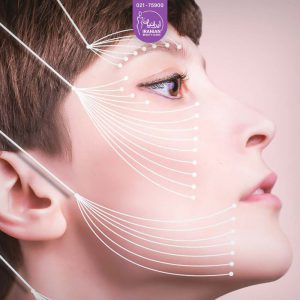
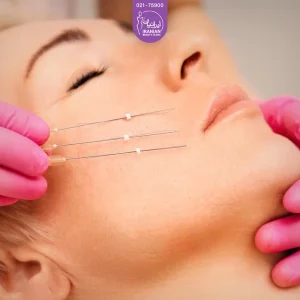
Thread Lift: A non-surgical alternative, temporal thread lifting involves placing dissolvable sutures with small cones into the temples. These sutures are gently pulled to lift sagging skin and hold it in place, providing a subtle lift to the temple area.
Traditional Temporal Lift: This method involves making incisions along the hairline or in the upper temporal area above the temples. The surgeon lifts and repositions tissues, removes excess skin if needed, and secures them in a higher position. This technique allows for precise control over the degree of lifting and can address multiple concerns in the temple area. It is often used for significant lifting and sculpting of the temples.
Endoscopic Temporal Lift: The endoscopic method is a minimally invasive procedure that uses small hidden incisions within the hairline. The surgeon inserts an endoscope (a thin tube with a camera) through the incisions to visualize underlying structures. Specialized instruments are used to lift and reposition tissues, creating a refreshed appearance. Compared to traditional methods, it offers smaller incisions, less scarring, and potentially shorter recovery time.
Limited-Incision Temporal Brow Lift: Suitable for patients with mild to moderate temple and brow concerns, this involves smaller incisions compared to the traditional lift, usually placed along the hairline or in the temple area. Through these limited incisions, the surgeon lifts and tightens tissues to achieve a more subtle enhancement in the temple area.
Trans-Blepharoplasty Temporal Brow Lift: This technique combines a temporal lift with upper eyelid surgery, known as blepharoplasty. The surgeon makes incisions in the upper eyelid crease, allowing access to the temple area. Through these incisions, the surgeon lifts and tightens temple tissues, creating a more youthful look for both the temples and upper eyelids.
A temporal lift can be performed as a standalone treatment or in combination with other facial rejuvenation procedures, such as a facelift or brow lift, to achieve overall facial harmony and a more youthful appearance. It is important to consult with a qualified and experienced cosmetic surgeon to determine the most appropriate approach based on your specific concerns and goals.
How much does a temporal lift cost?
The cost of a temporal lift depends on various factors and is one of the main considerations when choosing the desired treatment method. One of these factors is the type of technique selected, as different methods come with different costs. For example, thread lifts are usually less expensive than surgical methods, and their cost can vary depending on the type of thread used and the surgeon’s experience. Non-invasive methods such as Botox or dermal fillers generally fall within a similar cost range. Meanwhile, surgical lifts tend to be more costly due to the need for anesthesia and longer recovery time.
Besides the method, the surgeon’s experience and the clinic’s reputation also significantly affect the price. Experienced surgeons and reputable clinics usually charge higher fees because of the quality of their services and expertise. Additionally, the clinic’s geographic location influences the cost; for instance, prices in large cities like Tehran are typically higher than in smaller towns.
Ultimately, when choosing the appropriate method, it is important to remember that cost is not the only determining factor. The quality of service and the surgeon’s skill are equally important. Many people expect better results because they pay a higher price. Therefore, carefully comparing costs alongside the quality of services offered is a key point in this matter.

Methods of Temporal Lift
There are various methods for temporal lift, each suitable depending on the individual’s needs and conditions. Thread lift is one of the non-invasive and quick techniques, where special threads are used to lift and tighten the skin. It is worth mentioning that this method is generally favored because of its short recovery time and immediate results, and it is usually performed in a single session.
Thread Lift for the Temples
Thread lift for the temples is an effective and non-invasive method for facial rejuvenation. In this procedure, special threads, usually made of polylactic acid, are inserted under the patient’s skin. These threads help to visibly lift the skin and give it a more youthful appearance.
With this method, side effects are generally minimized, and recovery time is very short. Patients can quickly return to their daily activities. The effects typically last between 6 to 12 months, and individuals can maintain results through follow-up sessions.
It is worth noting that this method is especially suitable for those seeking quick results without hassle. Also, people who fear surgery or prefer to avoid it can consider thread lift as a safe and effective option. Using specific techniques, the doctor achieves optimal results for the patient.
Temple Lift with Botox
Temple lift with Botox is known as one of the fastest and least invasive methods for facial rejuvenation. Botox, when injected into the temple area, reduces the activity of muscles beneath the skin, effectively decreasing wrinkles.
This procedure requires no surgery and usually takes less than half an hour to perform. The results typically become fully visible within a few days, lasting between 3 to 6 months, depending on the individual’s skin type and lifestyle.
This method is especially suitable for those who want to prevent premature aging or seek quick results without a recovery period. Since Botox is generally safe and low-risk, many people prefer this method. Side effects are usually minimal, although some may experience slight bruising or swelling at the injection site, which naturally resolves within a few days.
Temple Lift with Plasma
Temple lift with plasma is another new and innovative method that uses plasma energy to rejuvenate the skin. During this process, plasma technology generates heat that helps stimulate collagen production and skin renewal.
This method specifically tightens the skin in the temple area and reduces wrinkles. One of the appealing aspects of this technique is that it does not require surgery and has minimal side effects, making it a popular choice for many people. The effects typically last between 1 to 2 years and can significantly improve skin quality and appearance.
Applicants for this method should be aware that multiple treatment sessions may be necessary to achieve the final results. Additionally, continued skin care and the use of suitable products after treatment can help maintain the outcomes. This method is especially recommended for those seeking effective and safe solutions.
Temple Lift with Fillers
Using filler gels for temple lift is another reliable and effective method in this field. Hyaluronic acid fillers, which are commonly used for this purpose, can add volume and desirable shaping to the temple area. This method is very popular due to its immediate results and the ability to control the volume and shape of the temple region.
In this technique, the filler is carefully injected into the temple area, usually taking about 15 to 30 minutes. Side effects are typically minimal, and individuals can immediately return to their daily activities after the treatment. The effects usually last between 6 months to 2 years, depending on the type of filler and the technique used.
Those who use this method should consider that repeated touch-ups may be necessary to maintain optimal results. Additionally, choosing a skilled physician in this field can greatly help achieve better outcomes.
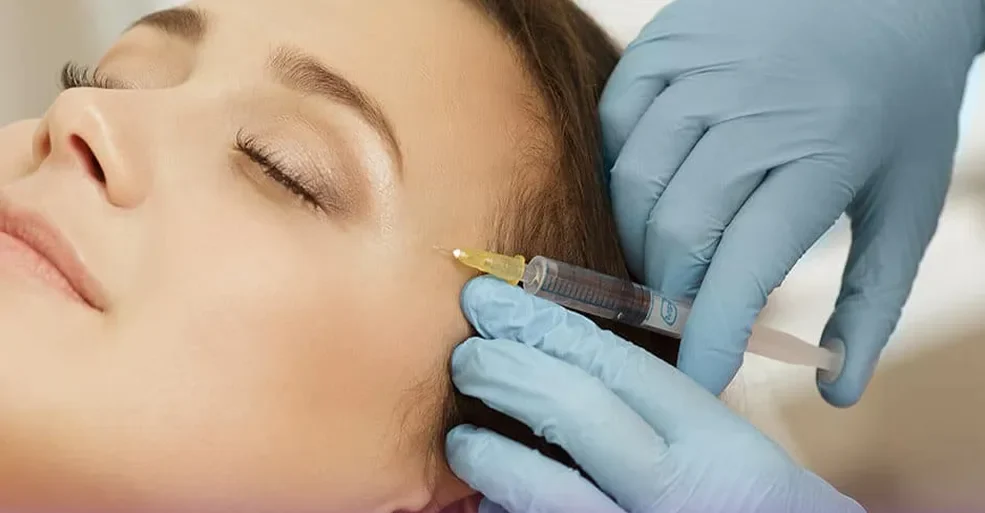
Temple Lift with HIFU
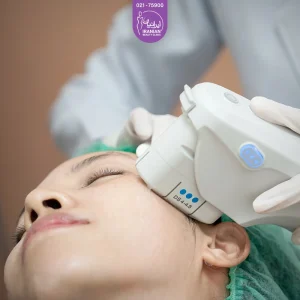
Temple lift with HIFU is one of the most advanced methods for tightening and rejuvenating the skin, using ultrasound waves to stimulate the deeper layers of the skin. This method is popular due to its non-invasive nature and no need for anesthesia.
In this technique, ultrasound waves stimulate collagen production in the skin, leading to gradual improvement and a more youthful appearance over time. One of the advantages of this method is its gradual and natural effects, which typically last between 6 months to 2 years.
It is worth noting that this method is suitable for individuals seeking skin tightening and overall facial appearance enhancement. Additionally, there is no recovery time needed, and people can immediately resume their daily activities after the treatment.
Surgical temple lift
Surgical temple lift is an effective and permanent method to eliminate sagging skin in the temple area. This method is usually recommended for individuals who have significant sagging in this area. In this procedure, the surgeon makes incisions in the temple area, stretches the skin, and restores it to its natural state.
This process requires anesthesia, and the recovery time may last for several weeks. However, the results of this method are usually remarkable and can last for years. Patients interested in this method should consider that the surgery requires high precision and the surgeon’s experience, and its costs are generally higher than non-invasive methods.
Doctors usually conduct thorough consultations before the surgery so that the patient is fully familiar with the surgical process and the factors to consider. This information greatly helps patients make better decisions and have realistic expectations regarding the surgery results.
Non-surgical temple lift
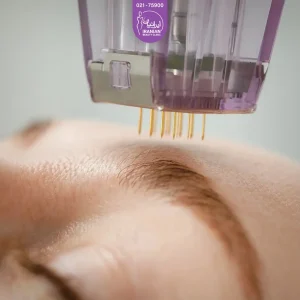
Non-surgical temple lift includes various methods such as thread lift, Botox, plasma jet, Plexr, and more.
Thread lift for temple: In this method, absorbable threads are used to lift the temple skin upwards. This method is safe and minimally invasive, but its effects are not permanent and last between 1 to 3 years. It is suitable for people who do not have severe eyebrow sagging.
Temple lift with Botox: This method involves injecting Botox around the eyes and the tail of the eyebrow. Its effect is less than the thread lift and temporary (6 months to 1 year). This type of temple lift is suitable for those seeking minor changes.
Temple lift with plasma jet device: In this method, plasma energy is transferred to the temple skin, stimulating collagen production and causing the eyebrow and temple to lift. This method is also less effective and suitable for people with mild sagging. The longevity of temple lift with plasma jet depends on the skin and the number of treatment sessions.
Temple lift with laser
Temple lift with laser is a semi-invasive method for rejuvenating and lifting the temple area and its surroundings, which has become very popular today. This method is usually combined with endoscopy to achieve better results. In this treatment, laser is used to stimulate the deeper layers of the skin and activate the body’s natural processes for collagen production. To achieve the desired result, at least 5 treatment sessions are typically required, each performed separately.
One of the biggest advantages of temple lift with laser is its very short recovery time. Unlike surgical methods that require a long healing period, with this method you quickly return to your daily activities. Also, this technique is completely painless and bloodless because the laser penetrates the deep skin layers with heat, stimulating collagen production and skin tightening without causing serious damage to other tissues. However, this method also has some minor drawbacks. One of the biggest challenges is the lengthy treatment process. This method may not be suitable for those seeking immediate results, as the final outcome gradually appears due to the need for multiple treatment sessions.
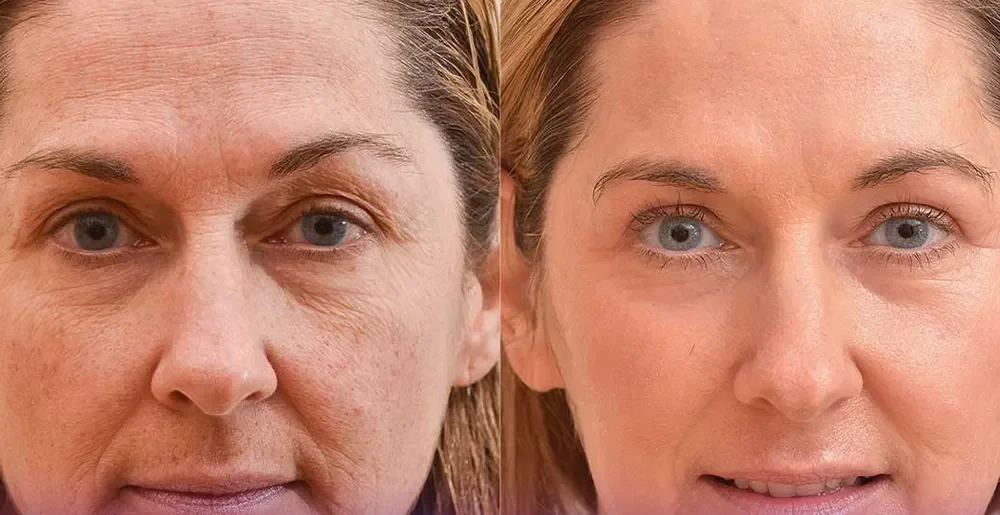
Temple lift with Plexr
Another advanced and non-surgical method for temple lift is the use of the Plexr device, which is recognized as a modern technique in cosmetic treatments. This method is performed using the Plexr device, which generates plasma. The plasma produced by the Plexr device creates mild heat in the superficial layers of the skin, stimulating collagen production and consequently tightening the skin around the temple and eye area. The results of this method are usually temporary and may last from several months up to one year, but for those seeking a non-invasive solution with minimal side effects, this duration is quite acceptable.
One of the advantages of this method is the minimal pain and bleeding involved. Compared to other surgical methods, Plexr does not require general anesthesia and therefore carries fewer risks for patients. This method is usually performed in cosmetic clinics by experienced dermatologists and beauty specialists. People looking to reduce signs of aging and skin sagging in the temple, around the eyes, and forehead can benefit from this method. This technique is especially suitable for those bothered by aging signs such as fine lines, skin sagging, or puffiness under the eyes. Ultimately, temple lift with Plexr can give your face a younger and fresher appearance, boosting your self-confidence.
Endotine Temple Lift
Endotines are innovative and specialized tools designed specifically for face lifting and reducing wrinkles in the temple area. These tools are made of absorbable materials and are designed to gradually integrate into the underlying skin tissues. In this method, the surgeon places the Endotines carefully under the skin through very small and delicate incisions in the temple area. Initially, these tools temporarily tighten the skin, eliminating wrinkles and fine lines in the temple region.
Over time, the Endotines are slowly absorbed by the body, and the skin gradually returns to its natural state. During this process, the skin appears firmer and more lifted, giving the face a younger and fresher look. Because Endotines do not require large incisions or complex surgeries, this method is considered minimally invasive and non-surgical. This feature is especially suitable for those who want to prevent premature aging in the temple area but do not want to undergo complicated surgeries.
Besides rejuvenation and temple lifting, this method is ideal for people concerned about skin sagging in this area who want to achieve desired results without a long recovery time. In fact, Endotines provide an effective and quick treatment to restore beauty and freshness to the face without the risks and complications associated with traditional surgeries.
Endoscopic Temple Lift
What is an endoscopic temple lift and why is it performed? The endoscopic temple lift is an advanced and invasive cosmetic surgery designed to lift and tighten the skin around the temple area. This surgery aims to rejuvenate and improve the facial appearance, especially in the forehead and temple regions. Modern and effective techniques in this method help eliminate vertical and horizontal wrinkles on the forehead and temples. During the procedure, a device called an endoscope is used, which allows the surgeon, under general anesthesia, to access the deeper tissues beneath the skin with greater precision and delicacy.
The endoscopic temple lift allows the surgeon to work not only on the skin surface but also on the deeper tissues and even the muscles beneath the temple skin. For this surgery, the plastic surgeon first administers local anesthesia or general anesthesia so that the patient feels no pain during the procedure. Then, very small incisions are made in the temple area, usually following the natural hair growth direction. These tiny incisions enable the surgeon to insert the endoscope device, which has a small camera and a rod-like shape, under the skin. This device allows the surgeon to precisely observe and assess the tissues and muscles under the temple skin.
Using the live images sent by the endoscope camera, the surgeon can determine which parts of the skin need tightening or correction. Then, special tools are introduced through additional small incisions to enable the surgeon to lift and tighten the temple skin accurately and effectively. This process leads to the reconstruction and rejuvenation of the skin in this area, giving a more natural and youthful appearance to the face.
Because this method uses small incisions and advanced techniques, it has a shorter recovery period compared to traditional surgeries and is a very suitable and effective option for those seeking to correct sagging skin and wrinkles in the temple area.
Who is a temple lift suitable for?
Temple lift is suitable for various groups of people seeking to improve their appearance and rejuvenate their skin. Typically, individuals experiencing sagging and wrinkles in the temple area due to aging are the primary candidates for this type of treatment. These methods are also appropriate for those who prefer non-invasive techniques and want to avoid surgery. Additionally, people who have undergone significant weight loss and are now facing skin laxity issues can benefit from a temple lift. Moreover, some younger individuals with genetic or environmental concerns affecting their temple area may also use these methods. Consulting a specialist doctor is very important and necessary to determine which method is most suitable. The doctor can assess the skin condition and overall health to recommend the best option for each patient. People with mild to moderate sagging in the temple and eyebrow area who desire a more youthful appearance are often good candidates for a temple lift.

Is a temple lift suitable for people with sensitive skin?
For those with sensitive skin, undergoing a temple lift requires extra caution. When using non-surgical methods such as filler or Botox injections, the materials used must be carefully chosen to prevent allergic reactions or sensitivities. In surgical methods, incisions and techniques that minimize damage to sensitive skin should be employed. Before any treatment, consulting with a specialist doctor and conducting necessary allergy tests is especially important.
How long does temple lift last?
How long does temple lift last? To answer this question, it should be said that in different temple lift methods, wrinkles in various areas of the face are reduced. Each method has a different duration of effectiveness, some of which are explained below:
Surgical temple lift is one of the surgical methods for face and temple lifting, which has a longer-lasting effect compared to other techniques. In this method, incisions are made in the hairline area, and the skin is lifted upwards. This procedure removes forehead wrinkles and makes the skin look younger and fresher. The duration of a surgical temple lift lasts from 7 to 10 years.
Another common method for temple lift is filler injection, which contains hyaluronic acid. Because the filler is absorbed by the body over a certain period, this method has a shorter duration compared to surgery. The longevity of temple lift with filler injection is usually between 6 to 12 months and requires renewal afterward.
In the thread temple lift method, by making incisions in the temple area and using special threads, wrinkles are completely removed. The duration of this technique depends on various factors such as the doctor’s experience and usually varies between 2 months to 1 year.
Durability of Threaded Temple Lift
The durability of a threaded temple lift is usually between 6 to 12 months. This duration can vary depending on the type of thread chosen, the individual patient’s condition, and the best execution techniques. Some factors affecting the longevity of this method’s results include the type of thread used, the patient’s age and skin type, lifestyle including diet and exercise, as well as maintenance and enhancement methods after treatment. It is also worth mentioning that those who use this method can maintain and even improve their results by undergoing booster sessions. Especially, following skincare routines and using appropriate products can help increase the longevity of the effects of the threaded temple lift.
Ultimately, consultation and follow-up with a specialist doctor after treatment will greatly help maintain desirable results and ensure skin health. It is important that patients take care of their skin and take necessary measures to preserve the results; for example, using moisturizing creams and sunscreens can aid in extending the durability of the outcomes. Overall, the temple lift is an effective method for facial rejuvenation, and considering the variety of available methods and options, individuals can make the best choice for themselves with expert consultation and enjoy their youth and beauty.
Is Temple Lift Permanent?
Different temple lift methods vary significantly in terms of durability. Choosing the appropriate method depends on the degree of skin sagging, the individual patient’s condition, and their expectations. The doctor, after carefully assessing these factors, recommends the best temple and eye lift method for you. One of the non-surgical temple lift methods is gel injection, which depending on the brand and type of gel used, lasts between 6 months to one year. In this method, after a certain period, treatment renewal is necessary.
Another method used for temple lift is the thread lift. This method has a longer durability compared to gel injection and usually its effects last for a longer time. However, non-surgical lifting methods generally need to be renewed annually to maintain optimal results.
In contrast, temple lift surgery is considered a permanent method and does not require renewal. However, it should be noted that none of the lifting methods can stop the natural aging process. Therefore, after several years, skin sagging in the temple area may reoccur. To maintain desired results and increase longevity, many patients use combined methods such as temple and eye lift or temple and eyebrow lift. These combinations can help restore the freshness and youthfulness of the face and provide better results.

Preparation and Important Tips Before Temple Lift
Being aware of the steps and precautions before a temple lift is very important. Some facial lifting methods, especially for pregnant or breastfeeding women, are not recommended because these individuals may be at risk due to hormonal and physiological changes in their bodies. Additionally, for people with thin and sensitive skin, the doctor may, after thorough evaluations and clinical examination, avoid performing certain methods such as thread lift or temple lift surgery. These restrictions are due to the possibility of side effects or unsatisfactory results from the temple lift. Therefore, choosing the appropriate temple lift method should be based on the individual conditions of each patient and under the supervision of a specialist doctor to ensure the safety and effectiveness of the treatment.
Recovery Period of Temple Lift
After undergoing a temple lift surgery, the patient can comfortably stand after 3 hours and is usually discharged and able to return home about 6 hours later. During the recovery period of the temple lift, it is recommended that the patient always keep their head elevated. Even while sleeping, several pillows should be used to keep the head raised to help reduce facial swelling. Additionally, in the first 3 days after the surgery, the patient should avoid exposure to direct sunlight. These tips are only part of the necessary care during the recovery period of a temple lift.
How long after a temple lift can one resume exercise and heavy activities?
After temple lift surgery, you should avoid heavy physical activities and exercise for at least 4 to 6 weeks to allow the skin and underlying tissues to heal properly. In non-surgical methods, the recovery time is usually shorter, and you can resume daily activities after 24 to 48 hours; however, it is recommended to avoid intense physical activities during the first few days.
What is the best age for a temple lift?
If you want to rejuvenate your face and correct sagging eyebrows and temples, one of the most common questions is, “What is the best age for a temple lift?” Generally, the age range of 40 to 65 years is recommended as the appropriate time for this cosmetic procedure because signs of aging in the temple and eyebrow areas become more apparent during this period.










 Quanta Creative Agency